Lt. Gen. Robert B. Flowers
Chief of Engineers
Lt. Gen. Robert B. Flowers was addressing leaders emeritus at USACE Headquarters when he was…

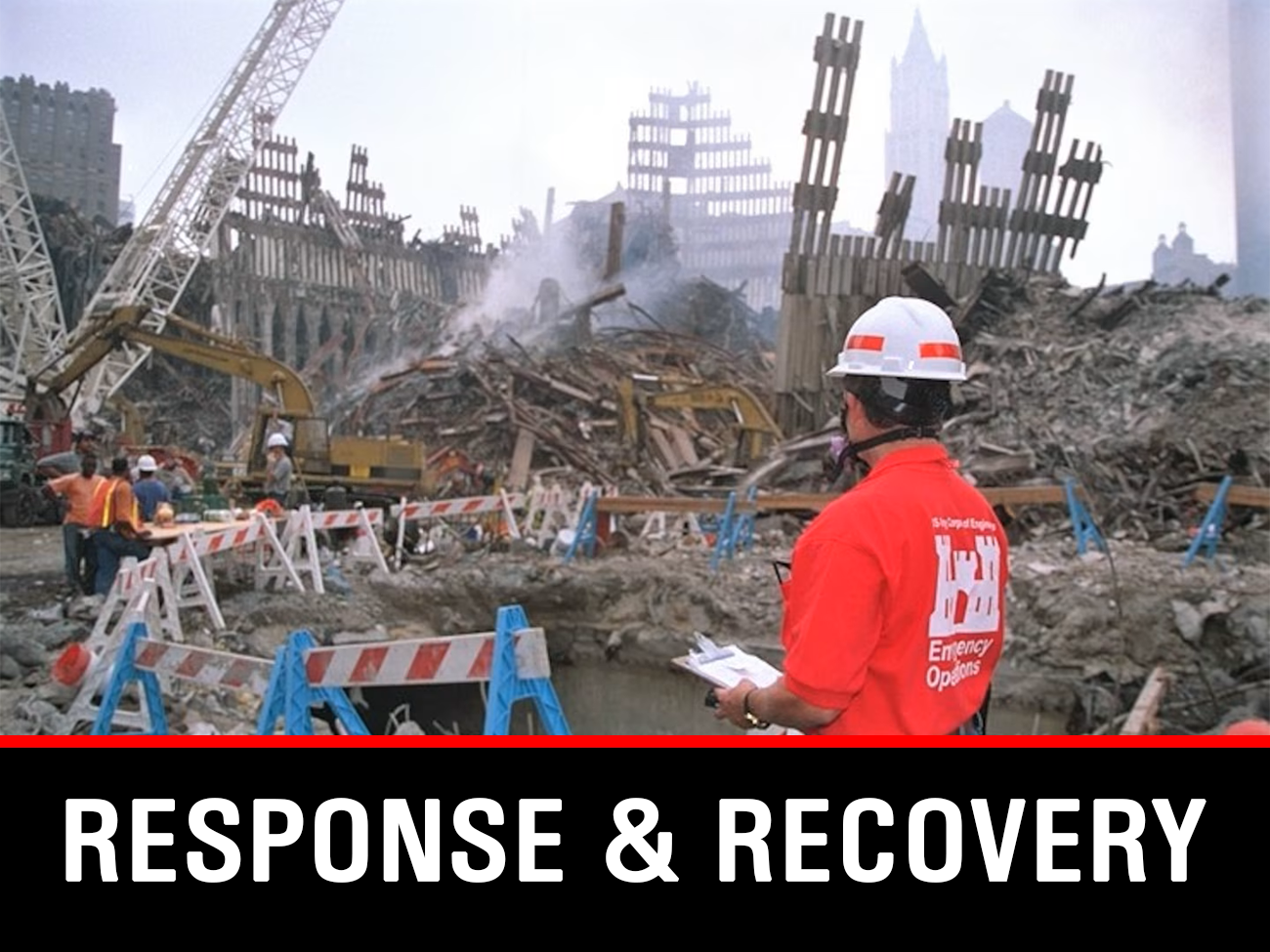
On September 11, 2001, America faced one of its darkest days.
Discover how the U.S. Army Corps of Engineers played a vital role in the
nation's response and recovery following the terrorist attacks.
-25 YEARS LATER: Explore the story of how the U.S. Army Corps of Engineers responded after September 11, 2001, mobilizing with speed and purpose to support recovery efforts and help rebuild after tragedy.
-From emergency operations to long-term recovery, U.S. Army Corps of Engineers played a vital role after September 11, 2001, coordinating resources, restoring critical services and supporting the nation’s rebuilding efforts.
-Powerful artifacts and personal stories bring to life the service, sacrifice and determination of those who responded in the aftermath of the attacks on September 11, 2001.
-Commemorate the 25th anniversary of September 11, 2001 with free in-person and virtual public programs. More information is posted on the Museum’s events calendar.
-Explore more 9/11 artifacts and Soldier stories in the Changing World and Soldiers’ Stories galleries and at the Pentagon Stones on Warriors’ Plaza. Discover all that the Museum has to offer and plan your visit today.
“It was a living hell. When we first went in, there had been water sprayed on the building for so long, there was so much water in between the corridors, walkways had filled up with water.”
Sgt. Dewey Snavely, The U.S. Army Military District of Washington Engineer Company
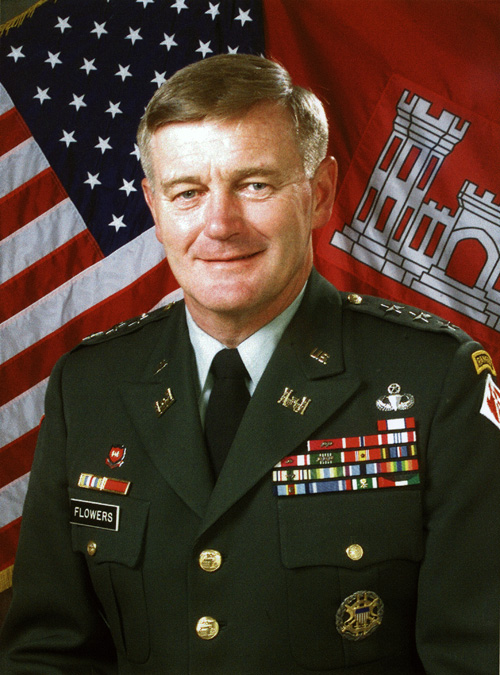
Lt. Gen. Robert B. Flowers was addressing leaders emeritus at USACE Headquarters when he was…
Lt. Gen. Robert B. Flowers was addressing leaders emeritus at USACE Headquarters when he was passed a note with news of the World Trade Center attack. He quickly ended the meeting and went to the USACE Operations Center to contact the Army Operations Center. Flowers, Chief of Engineers and the public face of USACE, appeared on 60 Minutes in November 2001. He detailed how the Corps’ research in constructing blast resistant structures used in renovations of the Pentagon contributed to the building’s resilience.
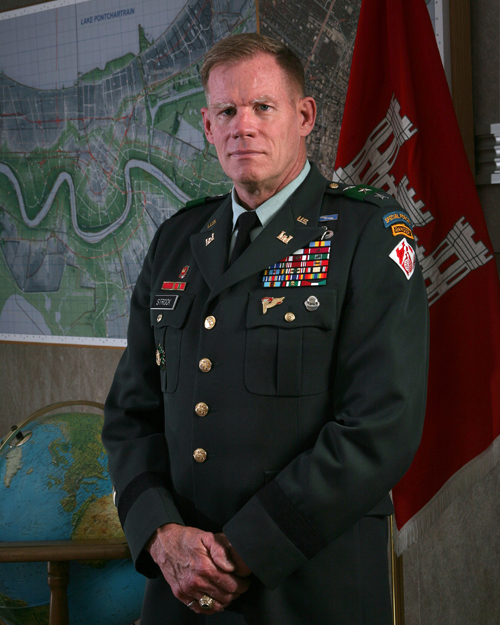
On the night of the attack, Brig. Gen. Carl A. Strock entered the Pentagon to…
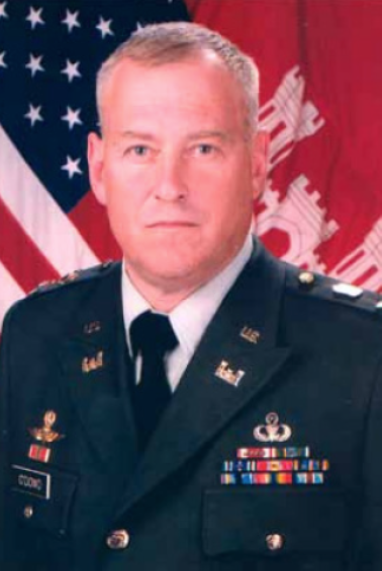
On the night of the attack, Brig. Gen. Carl A. Strock entered the Pentagon to conduct the initial structural assessment. Throughout the response, he maintained close communication with the Military District of Washington’s leadership to offer additional Corps’ support on the ground. Later, Strock arranged for the Corps to assess how the original and newly renovated sections of the Pentagon withstood the effects of the attack.
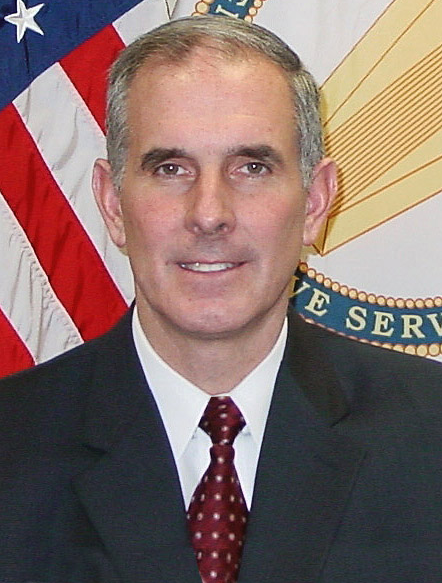
Immediately following the attack, Col. John B. O’Dowd prioritized evacuating New York District offices near…
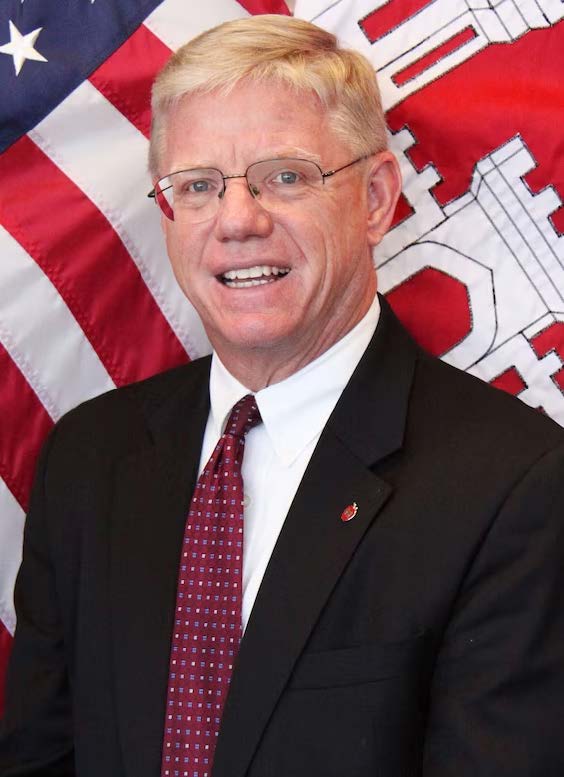
Immediately following the attack, Col. John B. O’Dowd prioritized evacuating New York District offices near the World Trade Center. By the following day, all personnel were accounted for. Under O’Dowd’s leadership, the District successfully closed out normal business for the fiscal year without access to offices, equipment or files. At the same time, they supported recovery by establishing the debris sorting operation on Staten Island and dredging the waterways around Pier 25 and Pier 6 to facilitate debris removal.
Joseph Seebode was commuting on the PATH train to a 9:30 am meeting on the…
Joseph Seebode was commuting on the PATH train to a 9:30 am meeting on the at the World Trade Center. The first plane hit as he was about to exit the station. On September 14, 2001, Seebode was named as the official Corps liaison to the City of New York and was instrumental in dredging, barging and permitting operations.
In October 2001, David Leach was tasked with managing the debris sorting operation on Staten…
In October 2001, David Leach was tasked with managing the debris sorting operation on Staten Island. He oversaw debris inspection and sorting, managed contractor operations and coordinated with law enforcement for evidence recovery.