Long Island: June-August 1776

Washington and his Army Withdraw to Manhattan Island

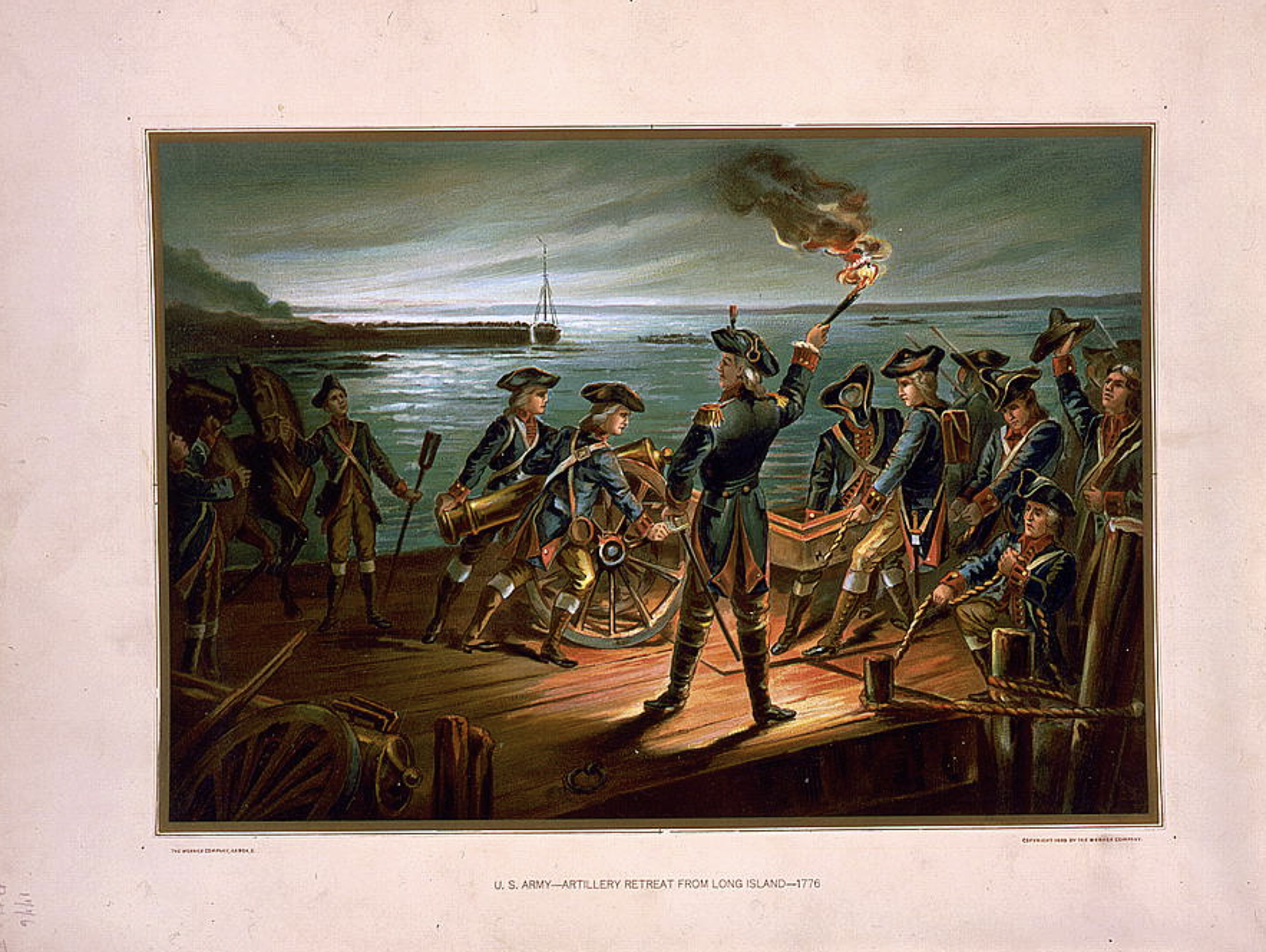
U.S. Army-Artillery retreat from Long Island. United States Long Island New York, 1899. Akron, Ohio: The Werner Company. Photograph. Library of Congress.

U.S. Army-Artillery retreat from Long Island. United States Long Island New York, 1899. Akron, Ohio: The Werner Company. Photograph. Library of Congress.

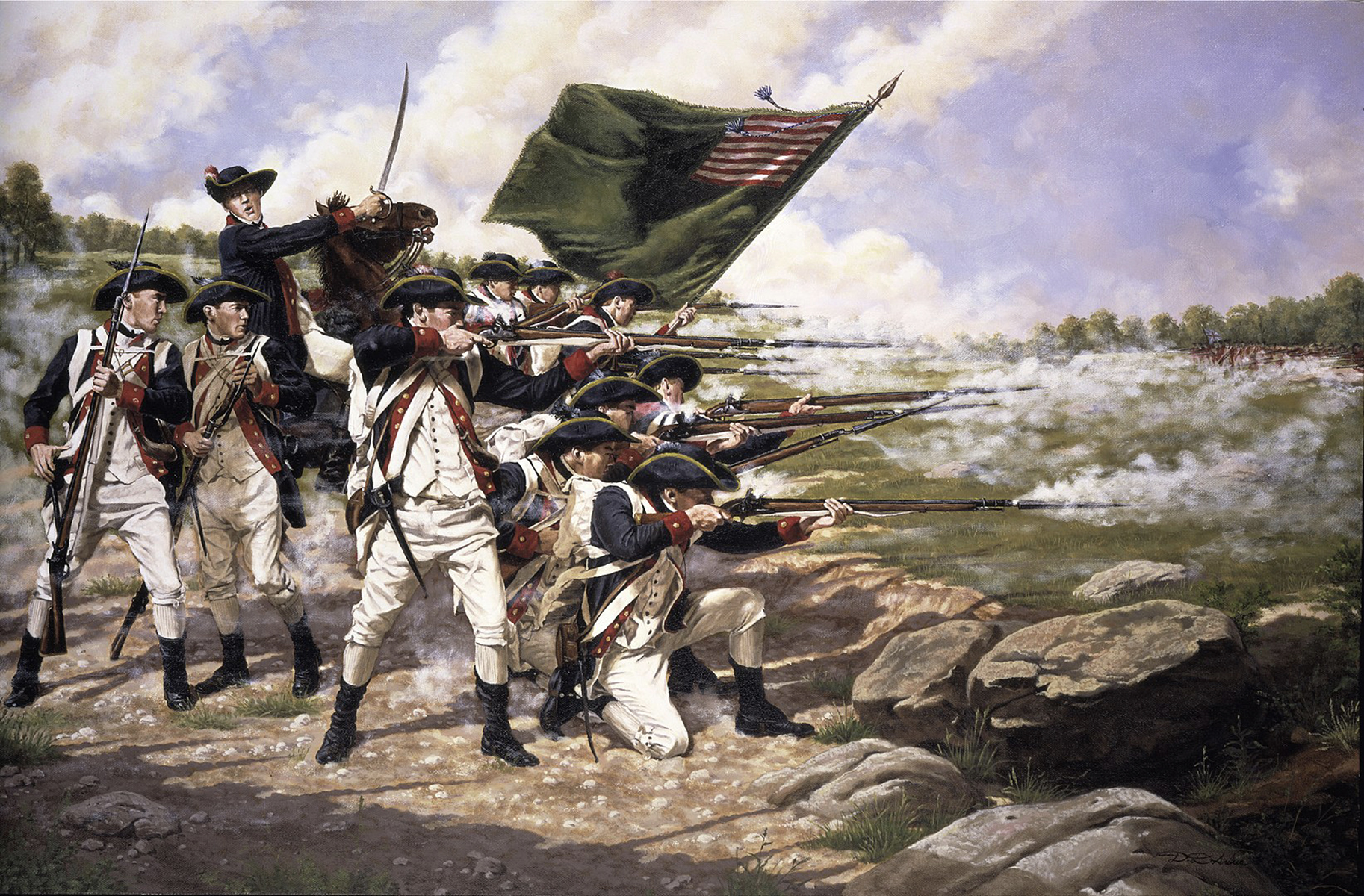
The Battle of Long Island, a National Guard Heritage Painting by 21st century artist Domenick D’Andrea. Wikiicommons.

The Battle of Long Island, a National Guard Heritage Painting by 21st century artist Domenick D’Andrea. Wikiicommons.

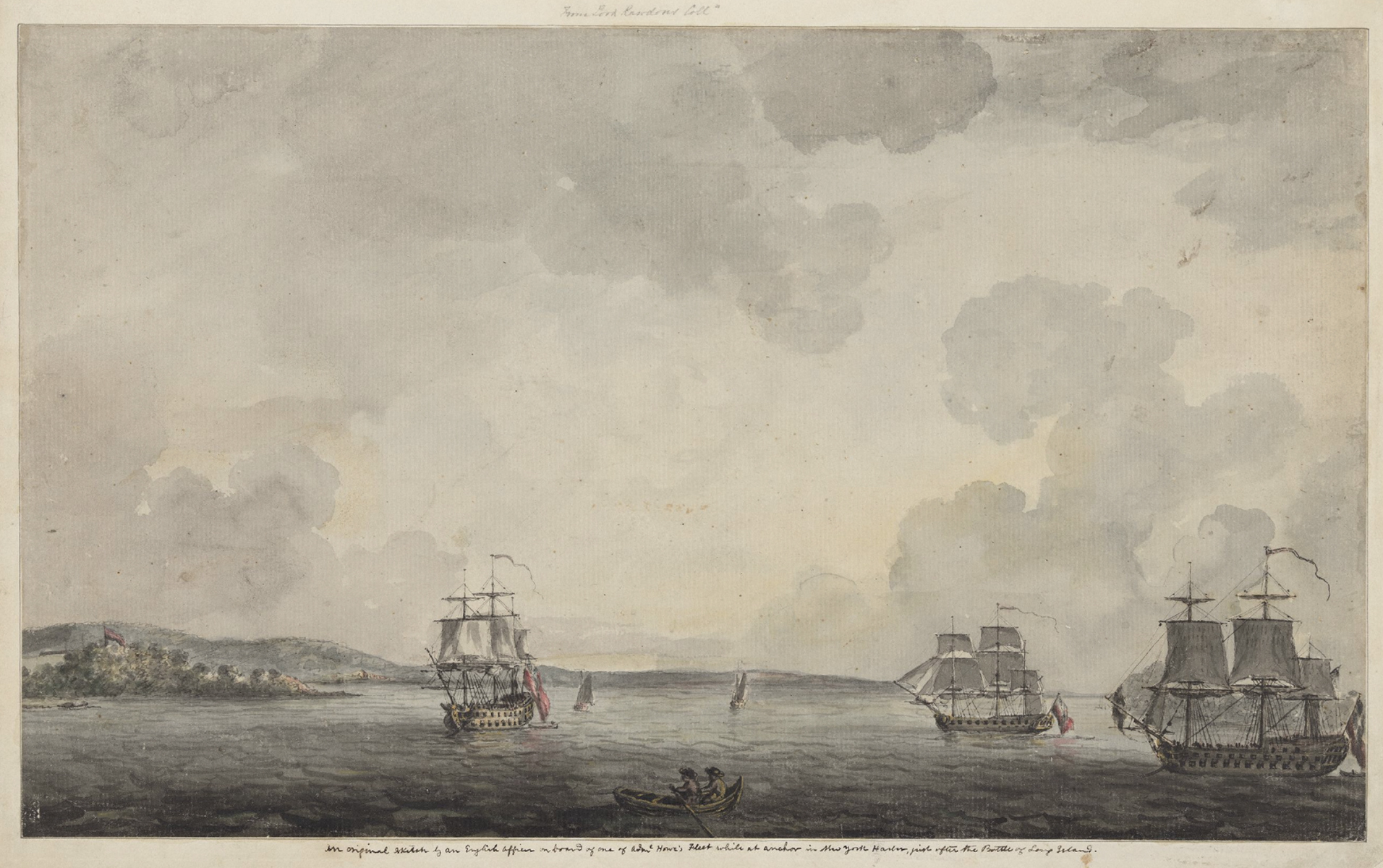
The Miriam and Ira D. Wallach Division of Art, Prints and Photographs: Print Collection, The New York Public Library. “An original sketch by an English officer on board of one of Adml. Howe’s Fleet while at anchor in New York Harbor, just after the Battle of Long Island” New York Public Library Digital Collections.

The Miriam and Ira D. Wallach Division of Art, Prints and Photographs: Print Collection, The New York Public Library. “An original sketch by an English officer on board of one of Adml. Howe’s Fleet while at anchor in New York Harbor, just after the Battle of Long Island” New York Public Library Digital Collections.

Hemmed into a small enclave around the town of Brooklyn, General Washington and about 9,000 of his troops faced an uncertain fate as Clinton and around 15,000 redcoats began bringing forward hundreds of cannon to batter the patriot army. Taking advantage of favorable winds and dense fog which blanketed the region on 30 August, Washington moved his troops across the East River and into New York City without alerting the British until they were gone. A royal naval officer, Capt. Sir George Collier, recorded his dismay at Washington’s escape and predicted that the war might continue far longer than British authorities had first expected.

""To my inexpressible astonishment & concern the Rebel army have all escaped across the River to New York! how this has happened is surprising... now I foresee they will give us Trouble enough, and protract the War, Heaven knows how long.”"

Capt. Sir George Collier, Commander of the HMS Rainbow
Sources
  • Adm. Sir George Collier, The War in America (Manuscript at the National Maritime Museum, Greenwich, London), 1776.