Long Island: June-August 1776

The Invisible Enemy

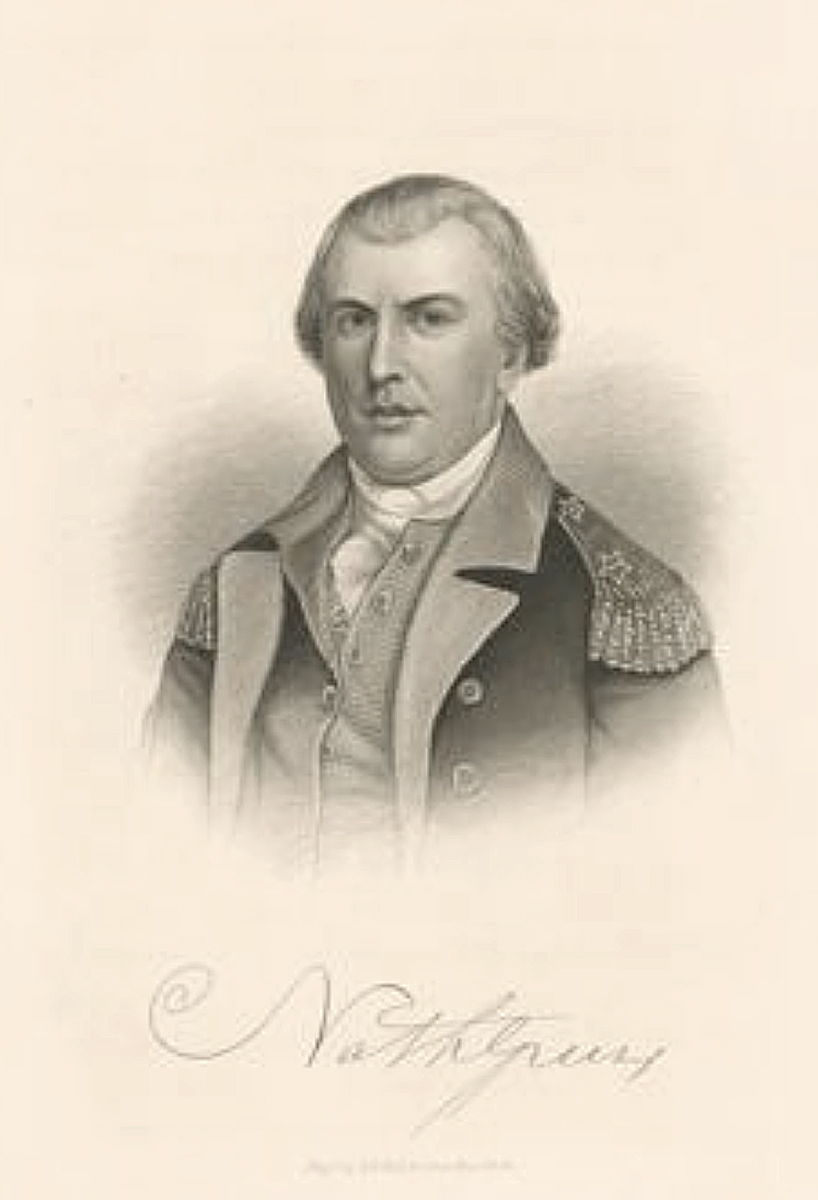
The Miriam and Ira D. Wallach Division of Art, Prints and Photographs: Print Collection, The New York Public Library. “Nath [Nathanael] Greene.” New York Public Library Digital Collections.

The Miriam and Ira D. Wallach Division of Art, Prints and Photographs: Print Collection, The New York Public Library. “Nath [Nathanael] Greene.” New York Public Library Digital Collections.

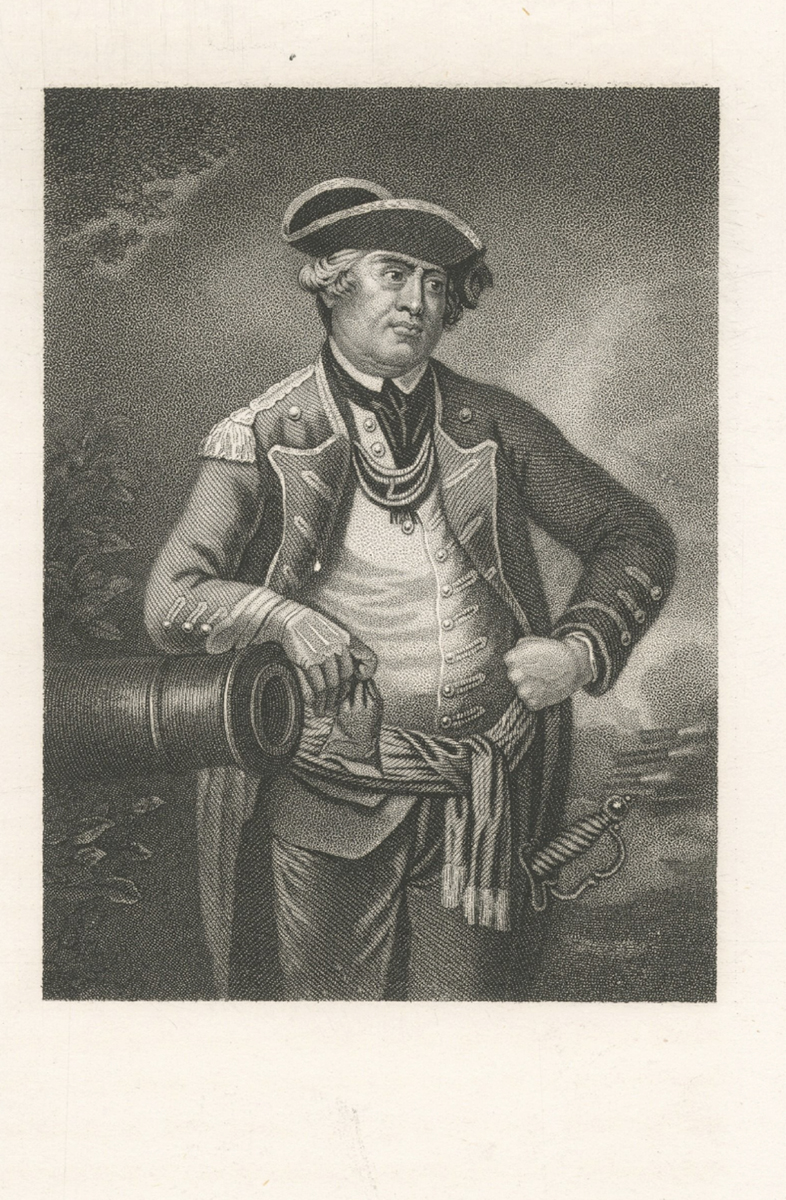
The Miriam and Ira D. Wallach Division of Art, Prints and Photographs: Print Collection, The New York Public Library. “Israel Putnam.” New York Public Library Digital Collections.

The Miriam and Ira D. Wallach Division of Art, Prints and Photographs: Print Collection, The New York Public Library. “Israel Putnam.” New York Public Library Digital Collections.

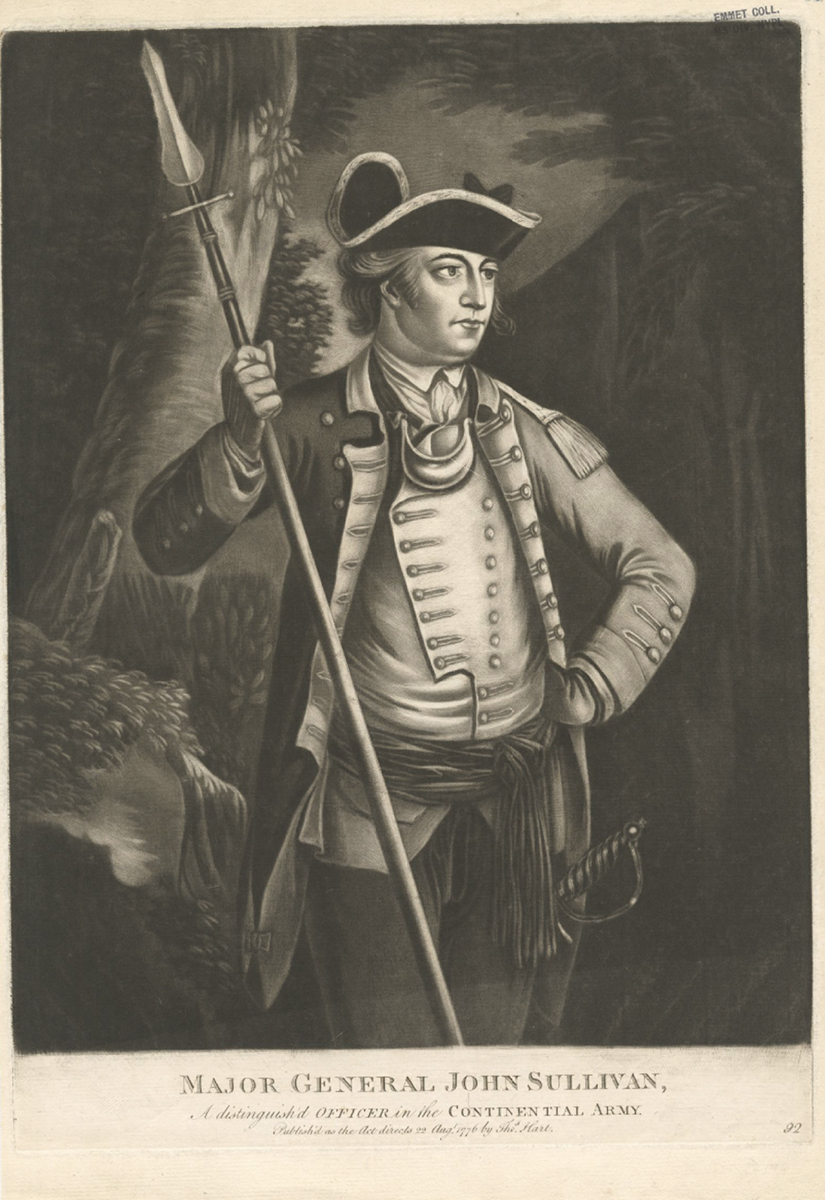
The Miriam and Ira D. Wallach Division of Art, Prints and Photographs: Print Collection, The New York Public Library. “Major General John Sullivan” New York Public Library Digital Collections.

The Miriam and Ira D. Wallach Division of Art, Prints and Photographs: Print Collection, The New York Public Library. “Major General John Sullivan” New York Public Library Digital Collections.

Disease weakened Washington’s army long before it faced British lead and steel. The poorly trained patriot fighters tended to relieve themselves in the ditches which surrounded their fortifications, putting them at severe risk of disease. By August, fecal born contamination had put around one quarter of General Washington’s Army out of commission even before the fighting had started. Among those stricken was Maj. Gen. Nathanael Greene who had overseen the defensive preparations on Brooklyn Heights. Command of the Brooklyn forces first passed to Maj. Gen. John Sullivan and then to Maj. Gen. Israel Putnam, the latter having led troops in combat against the British at Bunker’s Hill.

"One died this morning in our hospital of a dysentery…two died yesterday in the New England hospital of a dysentery, and thirty more are confined with it and other putrid disorders. Many also through the camp are much unwell but will not go to hospital. Poor Mr. Donaldson, my old neighbor, is among these. Yesterday he went to the hospital, but crawled back to his tent this morning, and resolves there to die rather than return."

Philip V. Fithian, Chaplain, New Jersey militia
Sources
  • Pears ThosC. Philip Vickers Fithian: Journal, 1775–1776 Edited by Robert Greenhalgh Albion and Leonidas Dodson. Princeton: Princeton University Press, 1934.