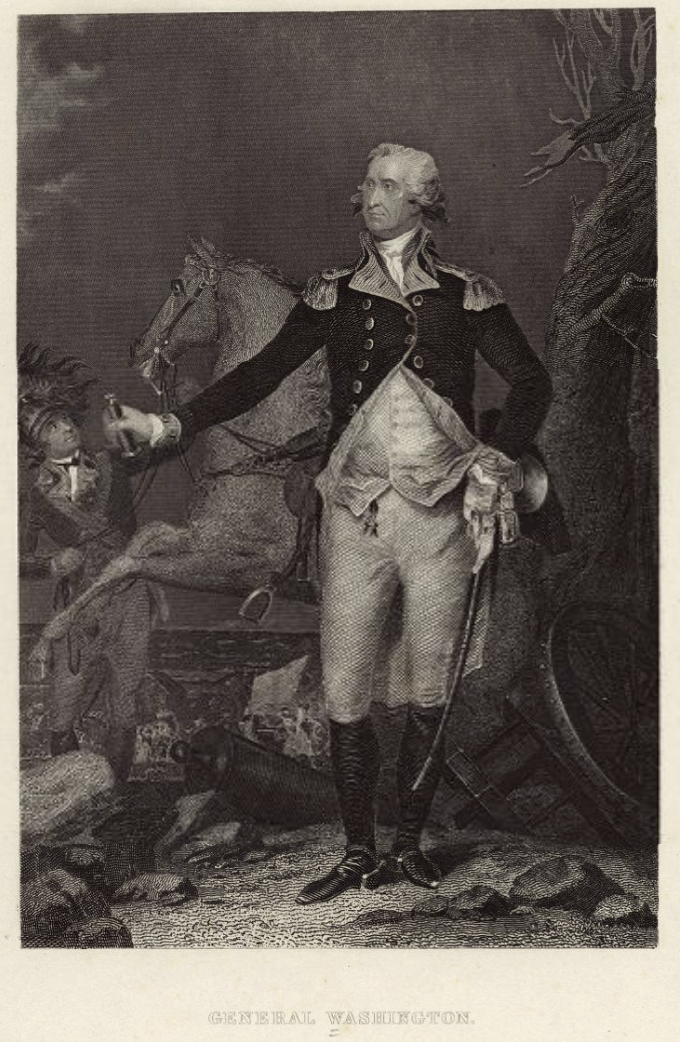
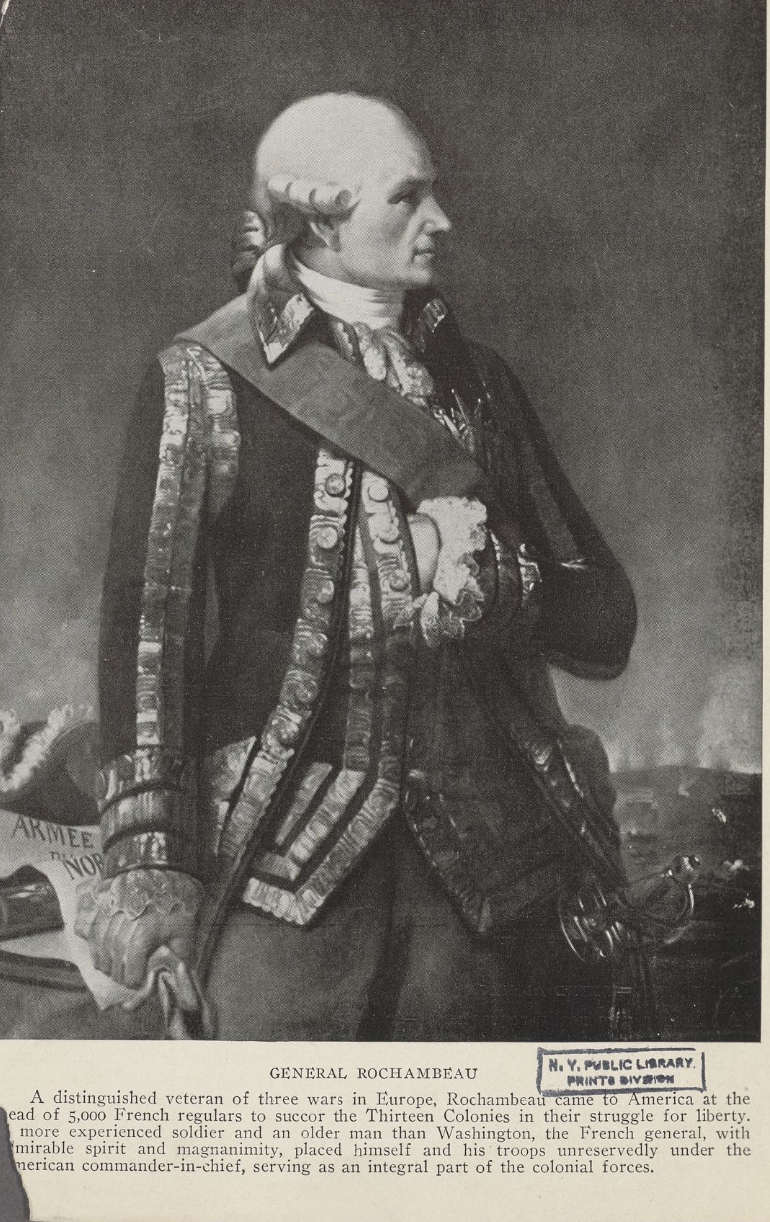
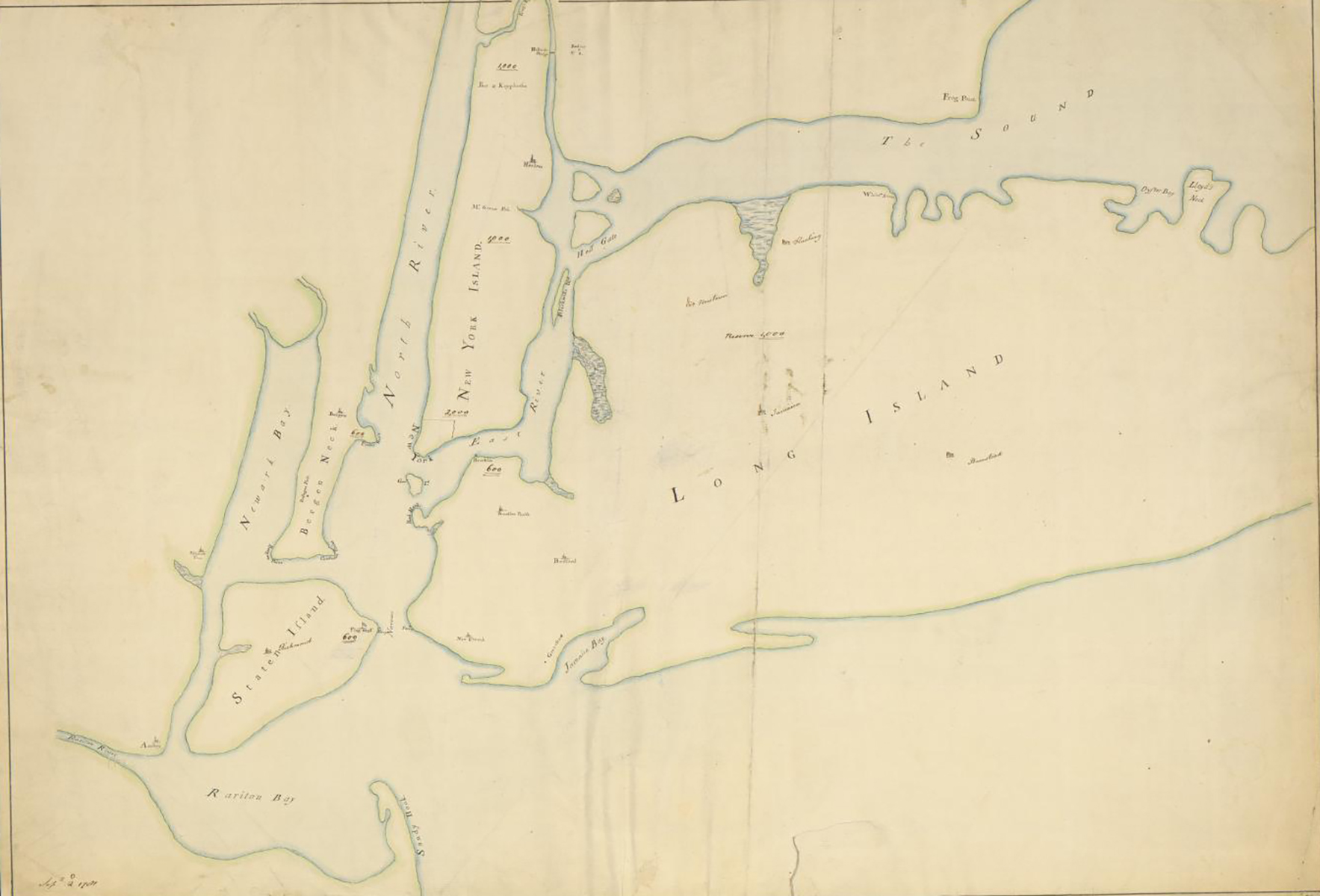
In early July 1781, a French army of some 5,300 soldiers under the command of Lt. Gen. Jean-Baptiste Donatien de Vimeur, comte de Rochambeau, linked up with General Washington and some 4,000 Patriot soldiers at Philipsburg, some twenty miles northeast of New York City. After conferring with Rochambeau and the commander of the attached French naval squadron under V. Adm. Jacques-Melchior Saint-Laurent, Comte de Barras, Washington recommended an attack to drive the British from New York City. Once the Franco-American force reconnoitered the city, however, they found the enemy too strongly entrenched to make an assault practicable. As Washington deliberated his next move, the received word in mid-August that a French fleet of twenty-nine ships carrying 3,200 soldiers and a large supply of money would arrive in the Chesapeake Bay from the Caribbean/West Indies in late August and stay until 15 October 1781. Washington decided he would march south and use those additional forces to move against the army of Lt. Gen. Charles Cornwallis, then heading toward the port of Yorktown in Virginia.
"Matters having now come to a crisis and a decisive plan to be determined on—I was obliged, from the Shortness of Count de Grasses promised stay on this Coast—the apparent disinclination in their [i.e., French] Naval Officers to force the harbour of New York and the feeble compliance of the States to my requisitions for Men, hitherto, & little prospect of greater exertion in the future, to give up all idea of attacking New York; & instead thereof to remove the French Troops & a detachment from the American Army to the Head of [the] Elk [River in Maryland] to be transported to Virginia for the purpose of cooperating with the force from the West Indies against the [British] Troops in that State."
Gen. George Washington in his Diary Entry, 14 August 1781