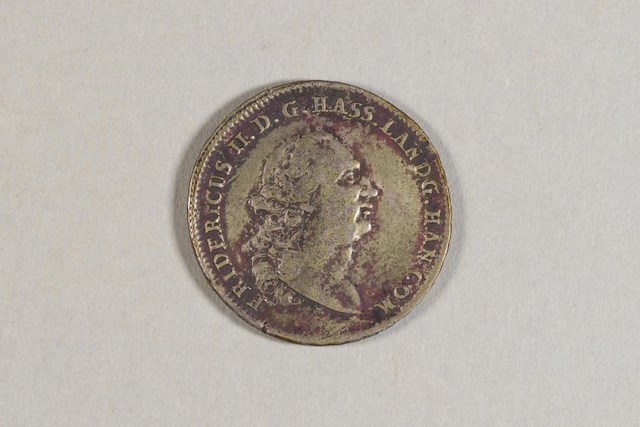
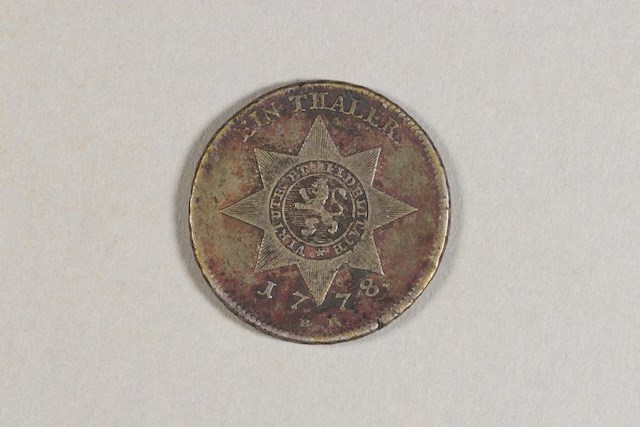
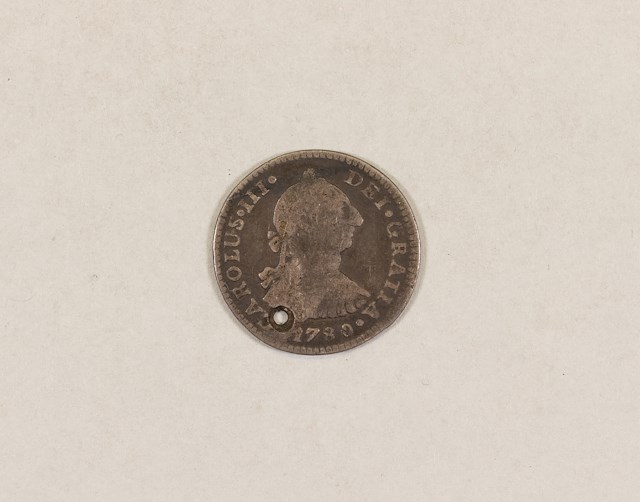
As the Patriot troops marched south, many grumbled that they had not been paid in some time. When a few of the disgruntled soldiers deserted, Washington turned to Robert Morris to secure at least one month’s pay for the soldiers. Morris, unable to finance the payments, asked Rochambeau to lend him the money to pay the troops. Rochambeau agreed even though it amounted to half of his remaining funds.
"a little after sunrise we found ourselves in Philadelphia. We, that is, the Sappers and Miners, staid here some days, proving and packing off shells, shot and other military stores. While we staid here we drew a few articles of clothing, consisting of a few tow shirts, some overalls and a few pairs of silk-and-oakum stockings; …soon after, we each of us received a MONTH’S PAY, in specie [coins], borrowed, as I was informed, by our French officers … and the French army. This was the first that could be called money, which we had received as wages since the year ‘76, or that we ever did receive till the close of the war, or indeed, ever after, as wages."
Joseph Plumb Martin, 1830
Sources
Joseph Plumb Martin. “A narrative of a Revolutionary Soldier: Some of the Adventures, Dangers, and Sufferings of Joseph Plumb Martin.” Signet Classic, 2001, 191.