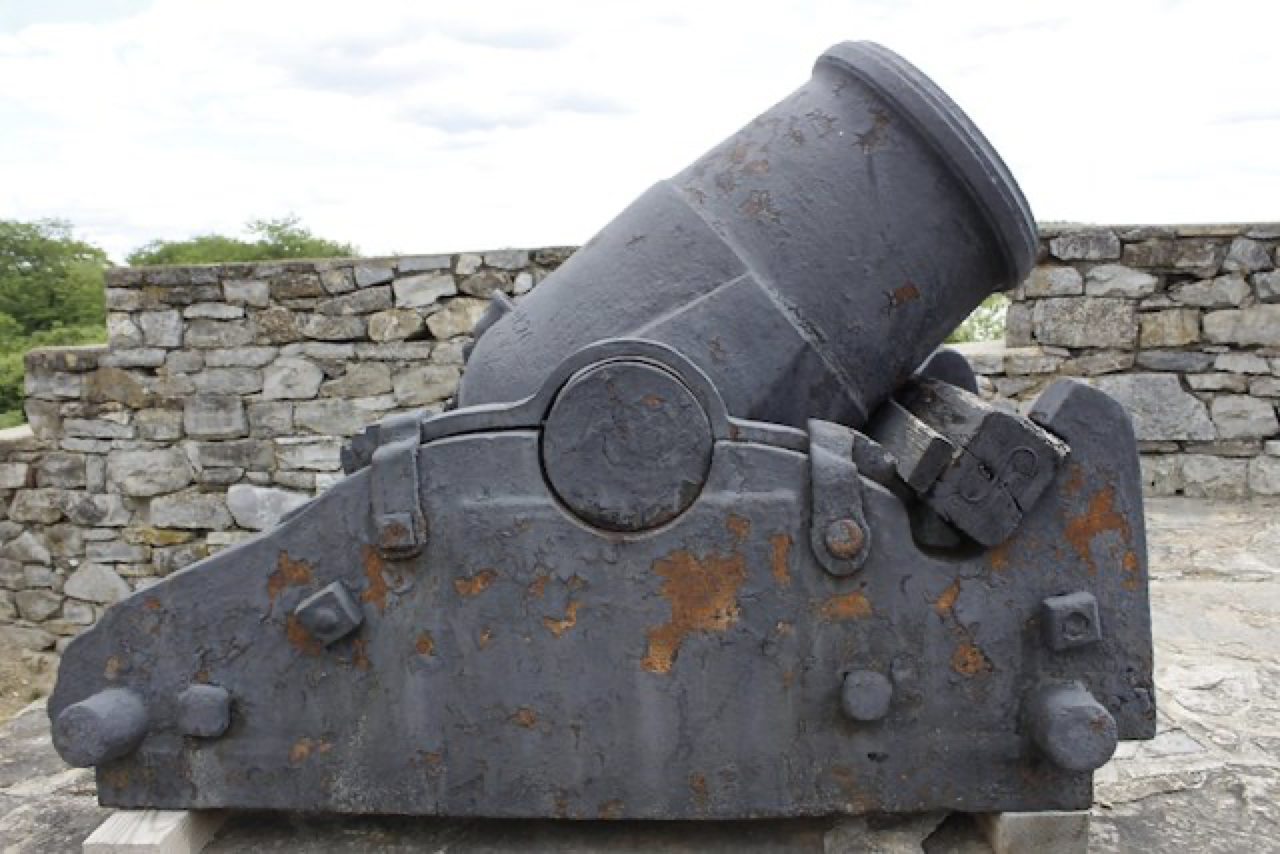
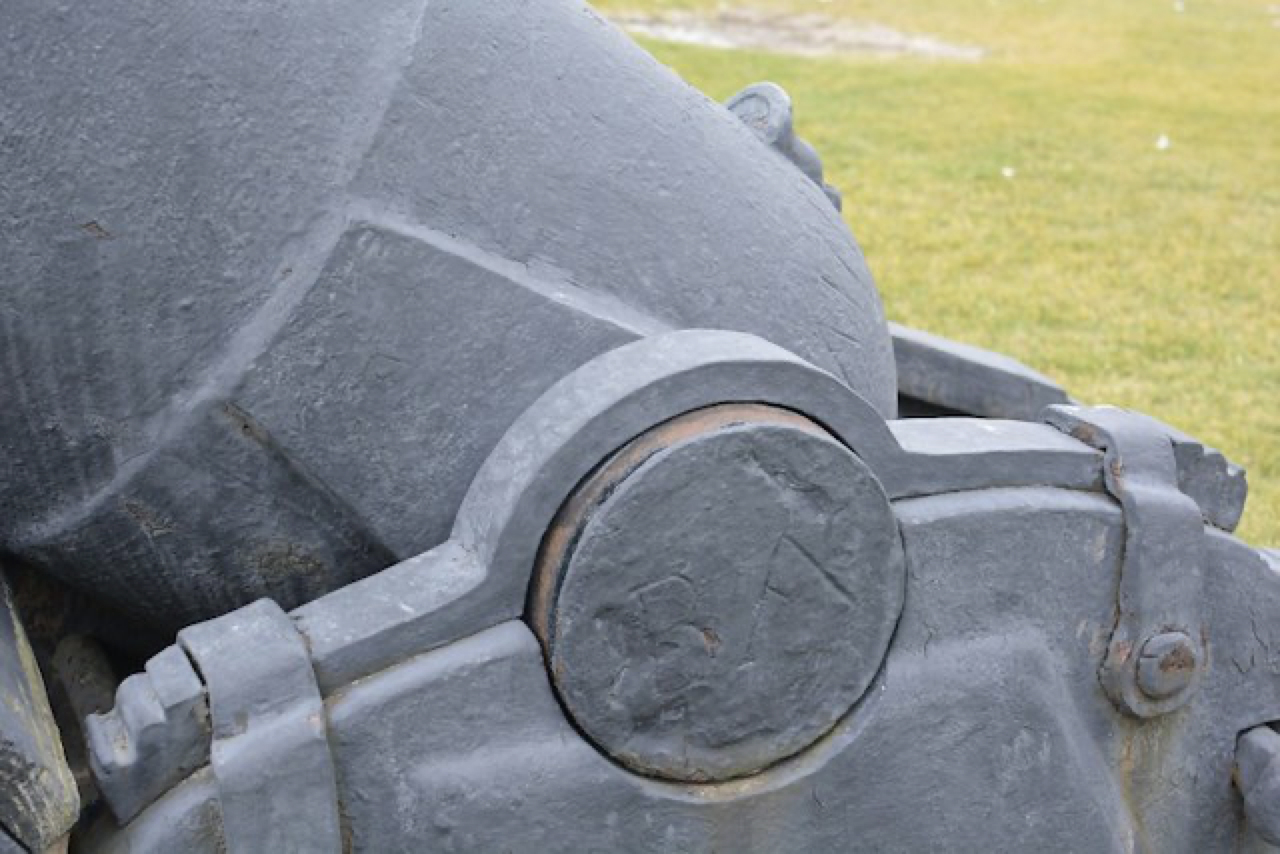
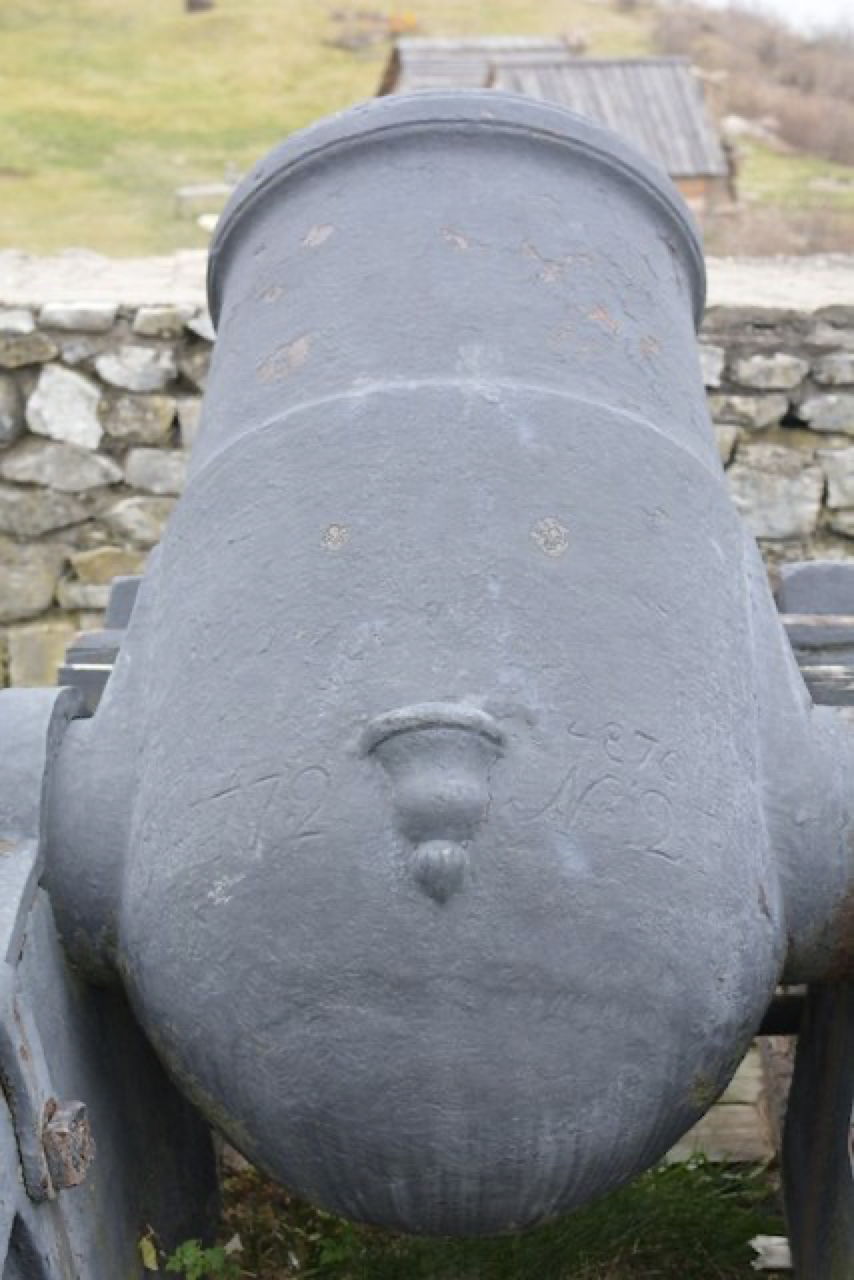
The American-French army spent several weeks building siege works around Savannah before their artillery units commenced a bombardment of the city. A patriot officer wrote down his impressions of the siege in a letter dated 4 October 1779.
"Last night, at twelve o'clock, we began to open our bomb battery, and this morning, at five o'clock, we began with our battering cannon—a sight I would not miss seeing. We are still at it, and I do not expect that we shall cease for forty-eight hours. At the end of that time, I hope Savannah will have surrendered. I feel most sincerely for the poor women and children! God only knows what will become of them. I can form no idea at present when we shall get into Savannah. I am of the opinion the enemy will make a very vigorous and desperate defense, and it is more probable that we shall be driven to the disagreeable necessity of storming. Count d'Estaing is now embarked seriously in this matter, and his honor will not allow him to withdraw; so that, at all events, we must reduce Savannah. "
Maj. John Jones, in a letter to his wife, 4 October 1779
Sources
Kennedy, Benjamin (ed.) “Muskets, Cannon Balls & Bombs: Nine Narratives of the Siege of Savannah in 1779. Madison, WI: Beehive Press, 1974.