Savannah: September-October 1779

A British Naval Officer Records the Damage Caused by the Bombardment

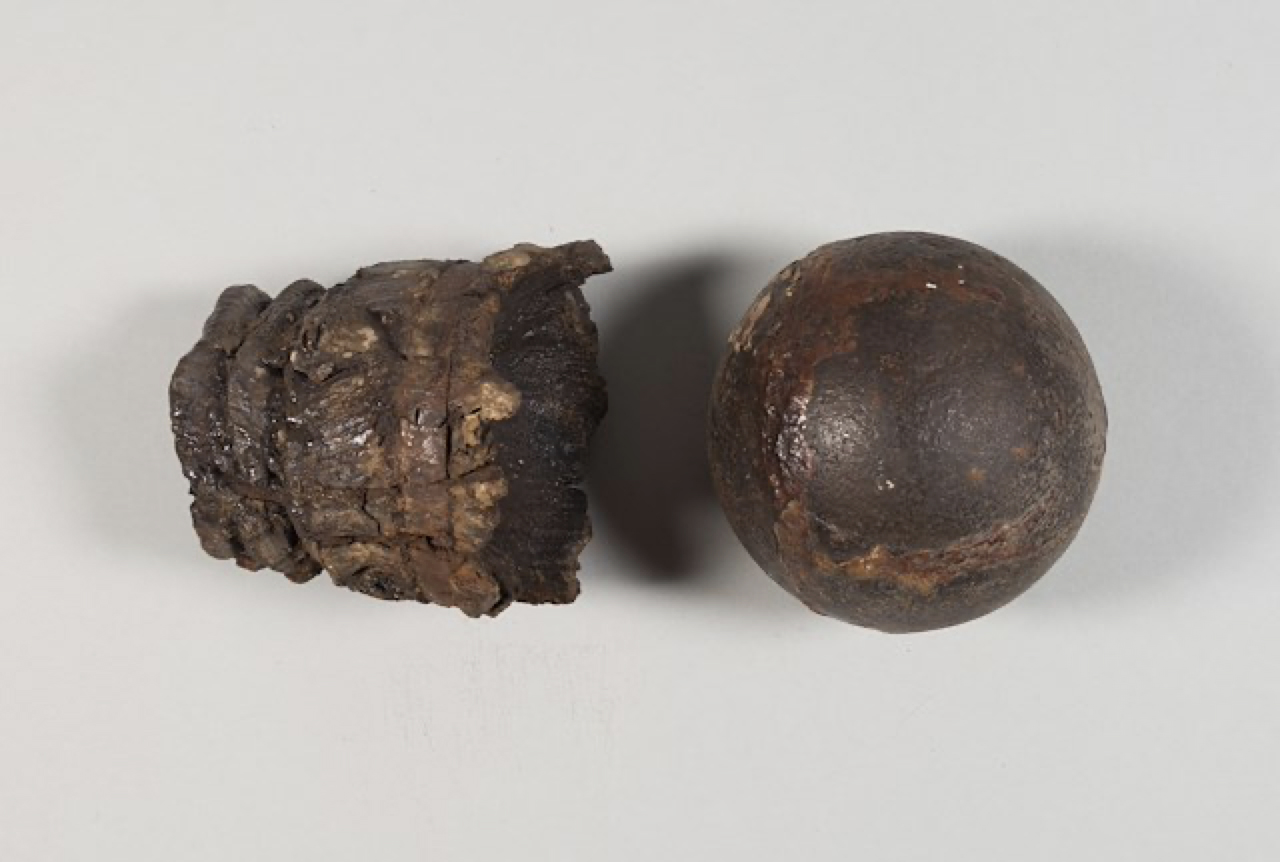
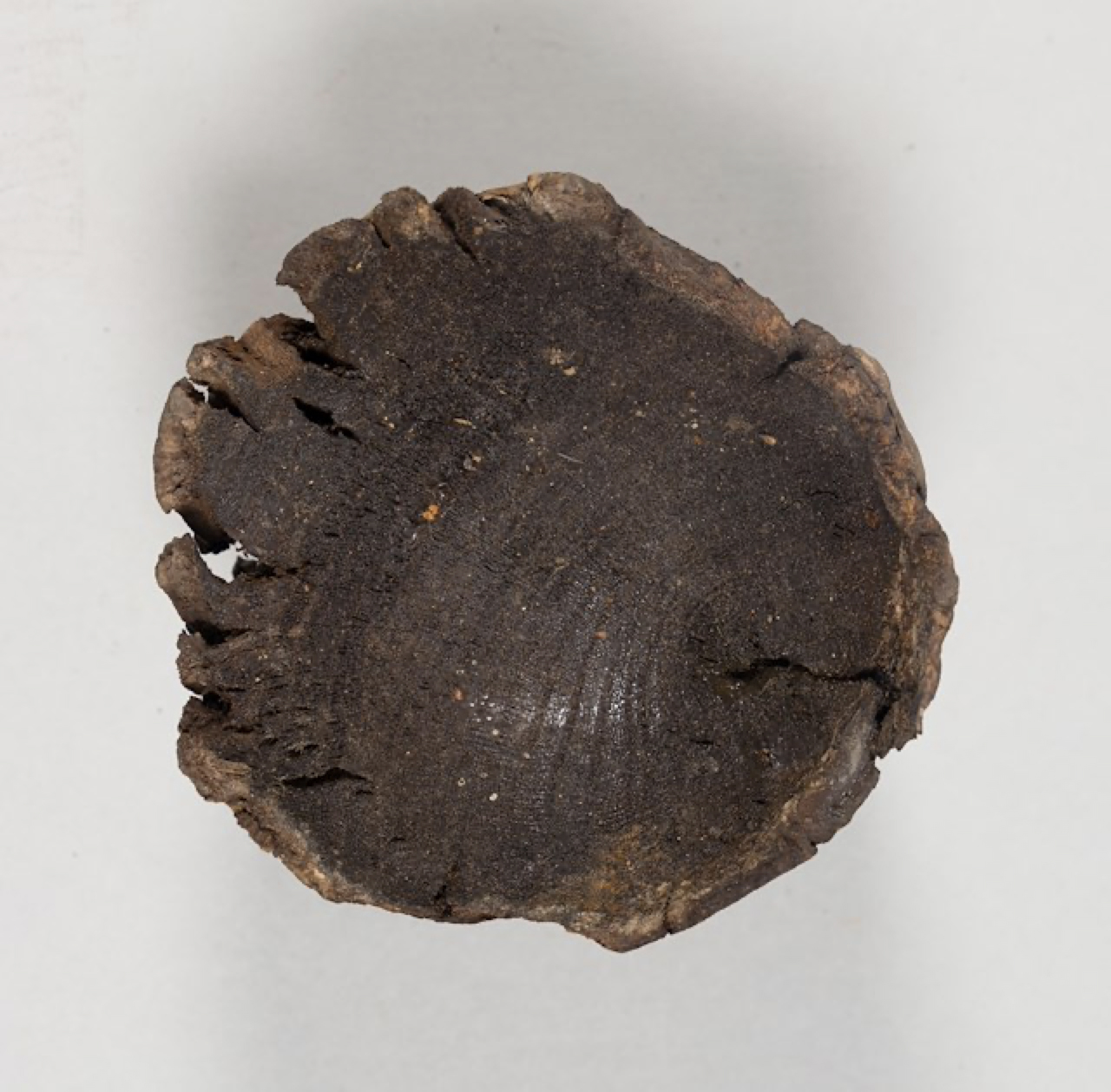
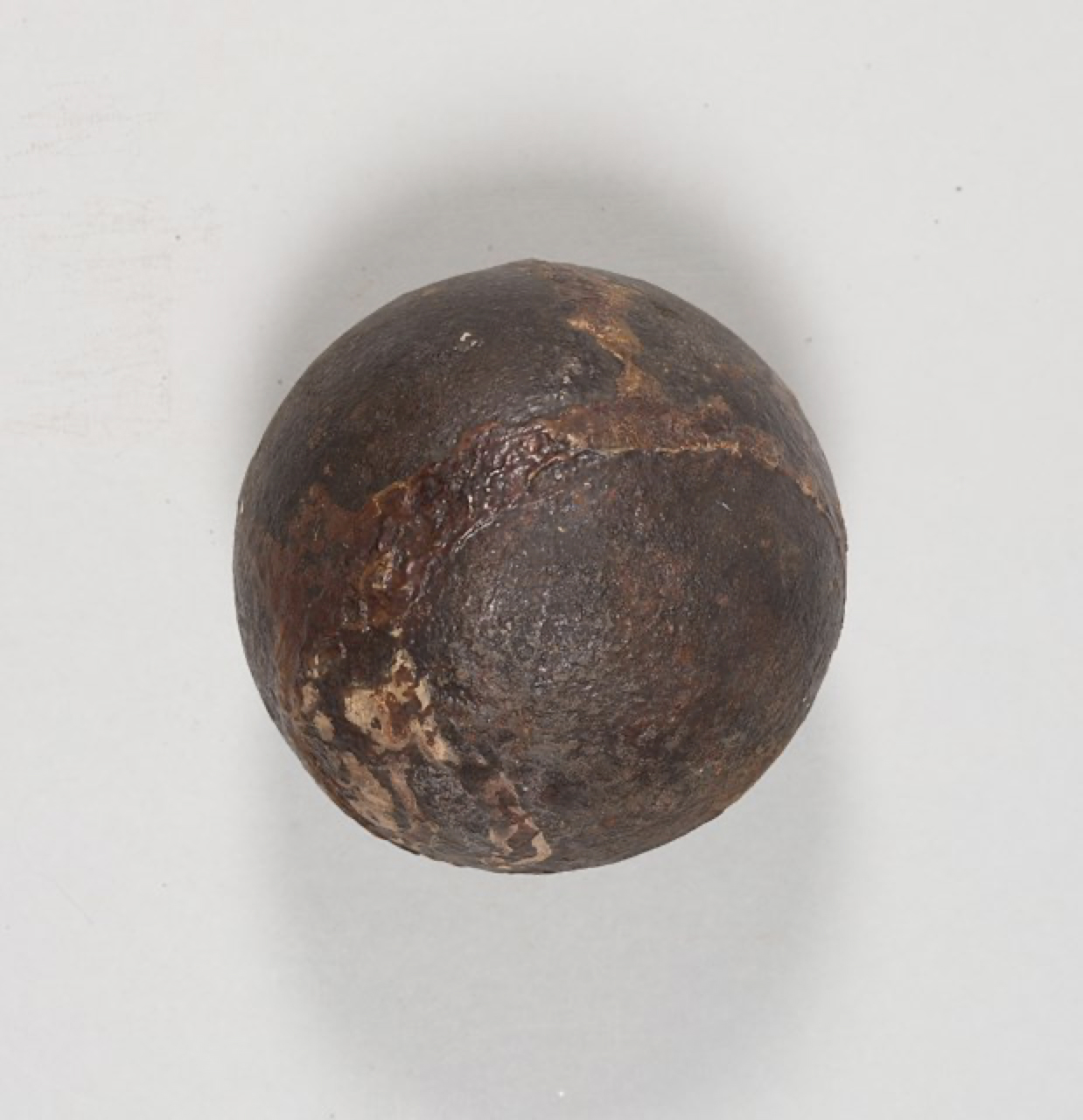
Strapped shot or fixed shot, ca. 1776-1781. This ammunition was designed for a British 3-pounder cannon. The cannonball would have been attached to the wooden base. The wooden base would also have had a bag of gunpowder tied to it. The grooves in the wooden base show where the straps holding the cannonball and the bag of gunpowder would have been. Object ID 2024.7.7a-b. Courtesy of the Fort Ticonderoga Museum Collection.

Strapped shot or fixed shot, ca. 1776-1781. This ammunition was designed for a British 3-pounder cannon. The cannonball would have been attached to the wooden base. The wooden base would also have had a bag of gunpowder tied to it. The grooves in the wooden base show where the straps holding the cannonball and the bag of gunpowder would have been. Object ID 2024.7.7a-b. Courtesy of the Fort Ticonderoga Museum Collection.

Strapped shot or fixed shot, ca. 1776-1781. This ammunition was designed for a British 3-pounder cannon. The cannonball would have been attached to the wooden base. The wooden base would also have had a bag of gunpowder tied to it. The grooves in the wooden base show where the straps holding the cannonball and the bag of gunpowder would have been. Object ID 2024.7.7a-b. Courtesy of the Fort Ticonderoga Museum Collection.

Strapped shot or fixed shot, ca. 1776-1781. This ammunition was designed for a British 3-pounder cannon. The cannonball would have been attached to the wooden base. The wooden base would also have had a bag of gunpowder tied to it. The grooves in the wooden base show where the straps holding the cannonball and the bag of gunpowder would have been. Object ID 2024.7.7a-b. Courtesy of the Fort Ticonderoga Museum Collection.

Strapped shot or fixed shot, ca. 1776-1781. This ammunition was designed for a British 3-pounder cannon. The cannonball would have been attached to the wooden base. The wooden base would also have had a bag of gunpowder tied to it. The grooves in the wooden base show where the straps holding the cannonball and the bag of gunpowder would have been. Object ID 2024.7.7a-b. Courtesy of the Fort Ticonderoga Museum Collection.

Strapped shot or fixed shot, ca. 1776-1781. This ammunition was designed for a British 3-pounder cannon. The cannonball would have been attached to the wooden base. The wooden base would also have had a bag of gunpowder tied to it. The grooves in the wooden base show where the straps holding the cannonball and the bag of gunpowder would have been. Object ID 2024.7.7a-b. Courtesy of the Fort Ticonderoga Museum Collection.

The captain of the HMS Elphinston, one of the small British warships stationed on Savannah’s waterfront, noted that civilians suffered the worst under the allied bombardment.

"Tuesday, the 5th, at seven in the Morning, there was again a Cannonade and Bombardment from the Enemy. A Mulatto Man and three Negroes were killed in the Lieutenant Governor's Cellar. In the Evening the House of the Late Mrs. Lloyd, near the Church, was burnt by a Shell, and seven Negroes lost their Lives in it. Whilst the House was on Fire, one of the hottest Cannonadings they had yet made was kept up to prevent People from extinguishing the Flames. In the Night, another Shell fell through Mr. Laurie's House in Broughton Street, which killed two Women and two Children who were under it. The Bombardment and Cannonade continued all Night."

Captain KIennedy of the brig HMS Elphinston
Sources
  • Hough, F. B. 1822-1885. (1866). “The siege of Savannah: by the combined American and French Forces, under the command of Gen. Lincoln, and the Count d’Estaing, in the autumn of 1779.” Albany: J. Munsell, 1866. pp. 36-37.