Army Trails
Explore Our Army TrailsNews and Articles
View Our News & Articles- visit
- exhibits
- public programs
- education
- army trails
- events
- news
- about
- get involved
Back
Visit the Museum
Remembering September 11, 2001
Back
Back
Public Programs
Remembering September 11, 2001
Back
Programs & Education
Learning Opportunities
Back
Back
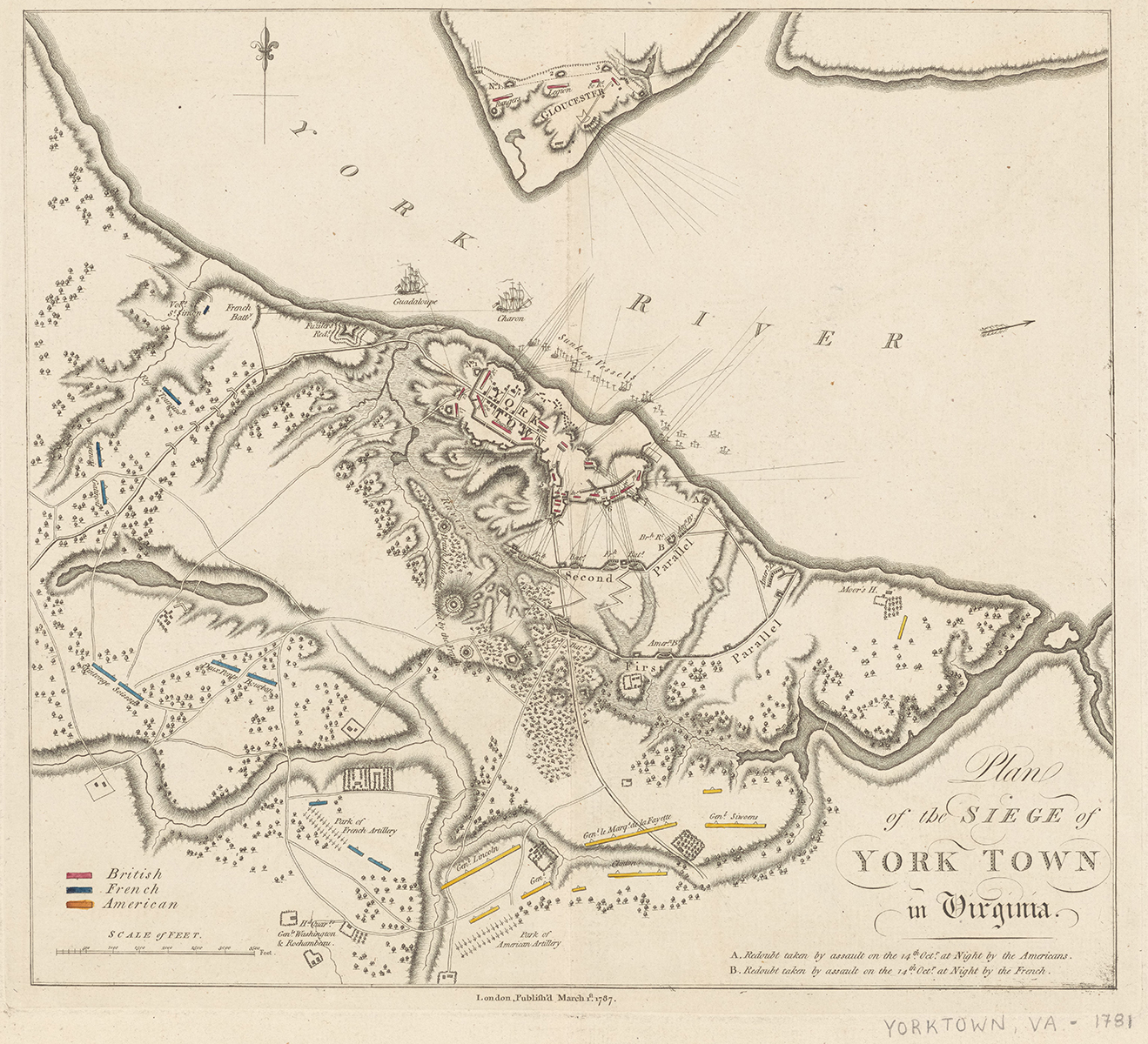
![Mondhare. Reddition de l’Armée angloises commandée par Mylord Comte de Cornwallis aux armees combinées des Etats Unis de l’Amérique et de France aux ordres des Generaux Washington et de Rochambeau a Yorck Touwn et Glocester dans la Virginie, le 19 Octobre. [Paris ?, 1781] Map.](https://www.thenmusa.org/wp-content/uploads/2026/01/iiif-service_gmd_gmd388_g3884_g3884y_ar301100-full-pct_25-0-default.jpg)
![Prise de Yorktown = The taking of Yorktown / Lith. de Turgis à Paris. Virginia United States Yorktown, ca. 1840. [Paris: Vve. Turgis] Photograph. Library of Congress.](https://www.thenmusa.org/wp-content/uploads/2026/01/service-pnp-pga-08400-08453v.jpg)